
Why this story matters: This story offers a refreshing and deeply necessary look at how practical problem-solving and human ingenuity can intersect to create tangible, positive change in areas that truly matter to our communities.
Quick summary: This story highlights recent developments related to england, showing how constructive action can lead to meaningful results.
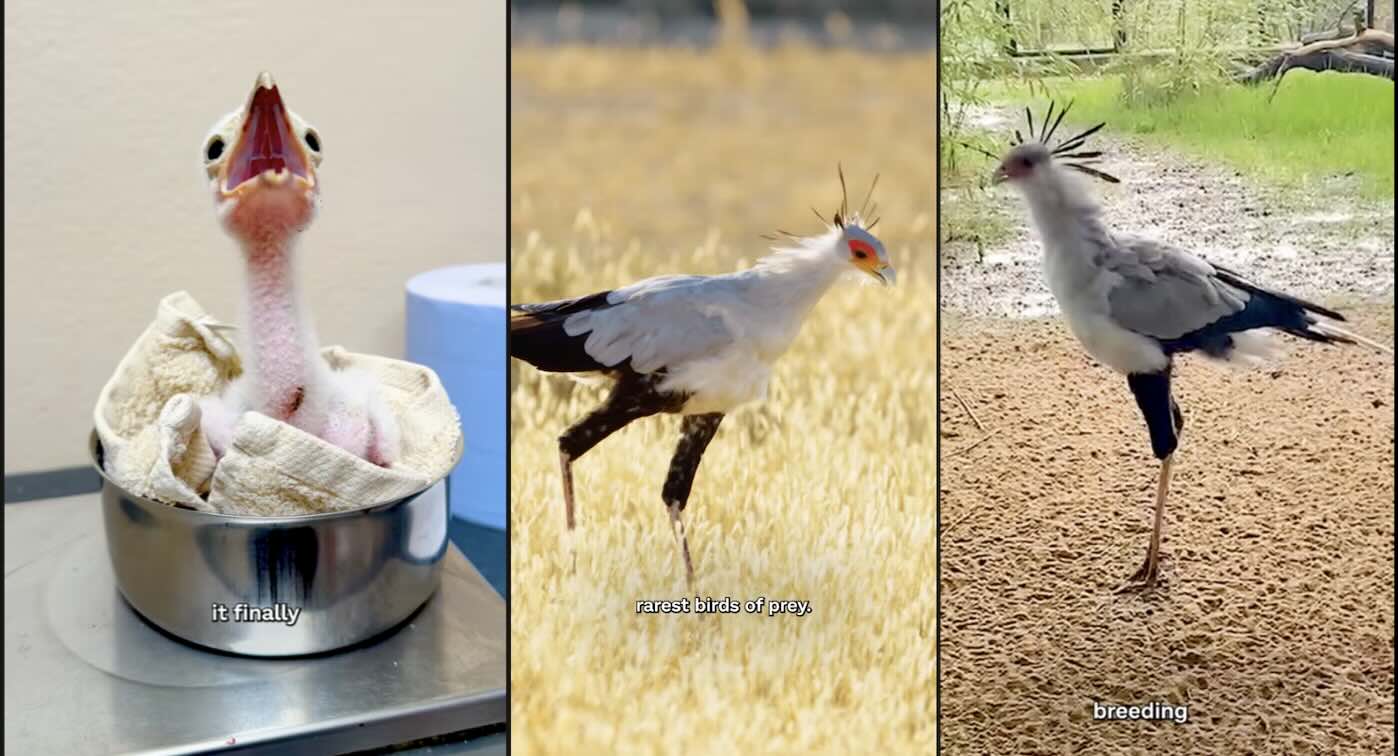
England’s Chester Zoo reported last week they successfully bred the stunning secretarybird for the first time in its 95-year history—producing five chicks.
The endangered African birds are part of an international conservation breeding program—and the latest success was described by the Zoo as “a landmark breeding breakthrough that we hope will help secure the future of the endangered species”.
The arrival of the chicks marks the first time secretarybirds have bred at the zoo in its 95-year history.
The chicks hatched to parents John and Jolene, who arrived at the zoo as part of coordinated international efforts to help safeguard the future of one of Africa’s rarest birds of prey.
Across the European breeding program, there are just 79 birds and, in the last year, only three other chicks have hatched elsewhere.
“Our experts believe the techniques developed here in Chester could now help other conservation zoos boost breeding success across Europe,” said a media release.
Secretarybirds are among the world’s most unusual birds of prey. Unlike eagles and hawks, they also hunt on foot, striding across African grasslands on long, thin legs in search of prey.
The birds’ scientific name is Sagittarius serpentarius—meaning “the archer of snakes”, reflecting their remarkable ability to hunt and kill venomous snakes by stomping on them.
“Seeing five healthy chicks hatch in such a short space of time is an incredible achievement for everyone involved,” said the zoo’s birdkeeper Jamie Cartwright-Stock.
In recent decades, secretarybird numbers have declined to “as few as 6,700 birds” left in the wild, as vast areas of Africa’s grasslands have been lost to agriculture or urban development.
The species is listed as Endangered by the International Union for Conservation of Nature’s Red List, which is why this latest crop of eggs saw conservationists celebrating.
“With five new chicks, we’re playing a leading role in the conservation of these incredible birds,” said Andrew Owen, the zoo’s Head of Birds.
By monitoring and sharing everything we learn about these chicks, we can help improve breeding success across the entire safety-net population in zoos.
BluAZ.com curates positive and solution-focused stories from trusted sources around the world.


 Why this story matters: In an era where the digital landscape is often flooded with polarizing and negative headlines, stories like this se...
 Why this story matters: We live in a time that often emphasizes our differences, but stories of community and collaboration remind us of ou...
 Why this story matters: Innovation isn't just about the latest gadget; it's about making life better for everyone. This story highl...
 Why this story matters: Behind the high-level statistics and political debates, there are real people making a real difference. This articl...
 Mexico Bans Captive Marine Mammals in Entertainment In a groundbreaking move, Mexico’s Congress unanimously approved a reform to the General...
 Why this story matters: In a world where it is easy to feel overwhelmed by the scale of our problems, stories of localized innovation and c...
 Why this story matters: We live in a time that often emphasizes our differences, but stories of community and collaboration remind us of ou...


Please be good and do not spam. Thank you.