
Why this story matters: While we must remain clear-eyed about the challenges that remain, it is equally important to acknowledge the victories we win along the way. This story provides a much-needed balance to our daily perspective.
Quick summary: This story highlights recent developments related to science, showing how constructive action can lead to meaningful results.
BY THE OPTIMIST DAILY EDITORIAL TEAM
Nearly one billion people across Africa cook over charcoal or firewood every day. $3.1 billion in commitments is what it’s going to take to change that, and the number keeps climbing.
African countries secured $900 million in new financial commitments to expand access to clean cooking technologies, the International Energy Agency announced last Thursday. The funding builds on the $2.2 billion mobilized at the inaugural Africa Clean Cooking Summit in Paris in 2024, bringing total pledges to more than $3.1 billion.
850,000 deaths a year
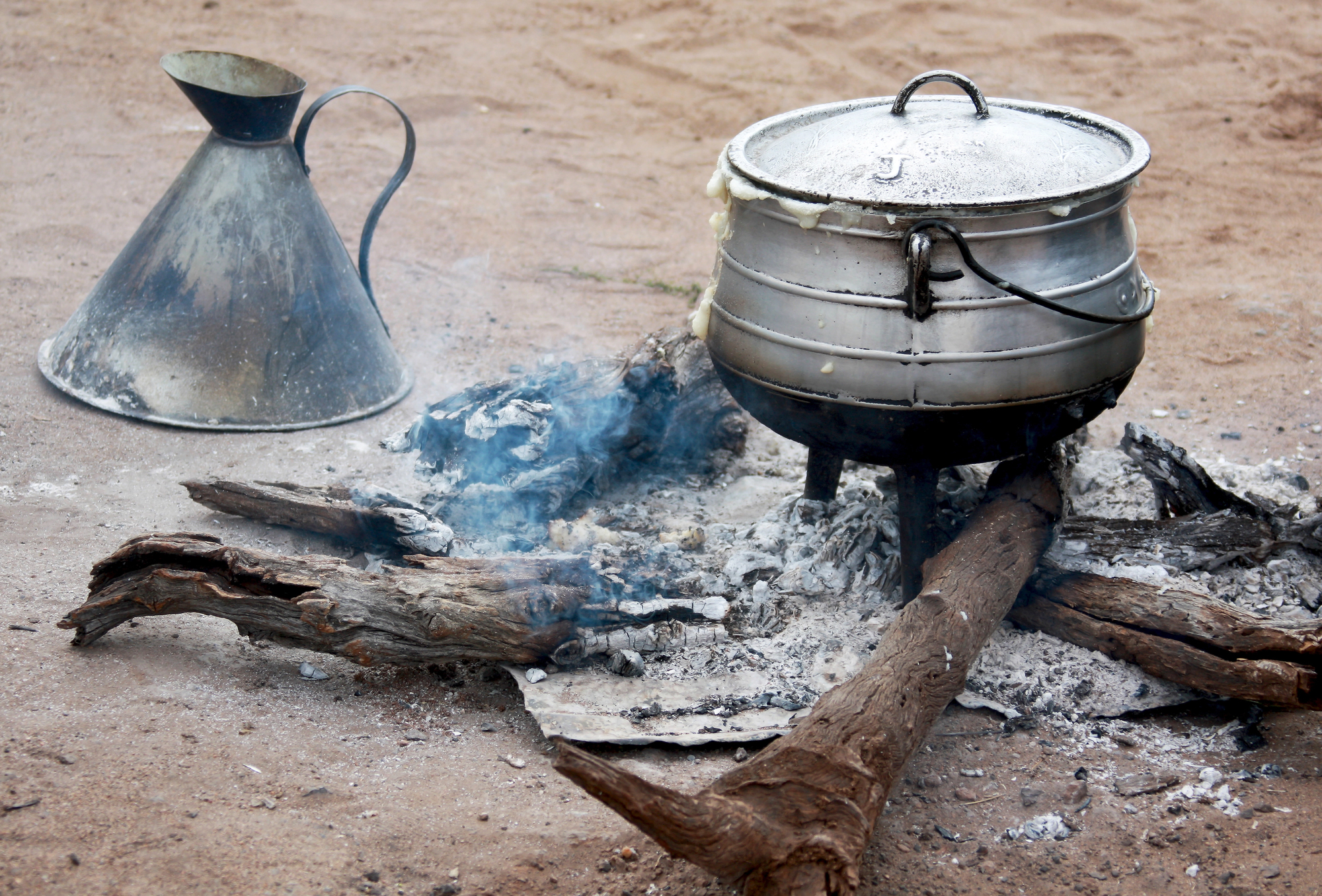
Charcoal and firewood still fuel most African kitchens. In many cases, it’s the only option available. Indoor air pollution from those fuels contributes to an estimated 850,000 premature deaths each year, according to the IEA. Women and children take the worst of it, spending the most hours near the fire.
“Access to clean cooking is one of the most impactful yet overlooked challenges of our time,” said U.S. Energy Secretary Chris Wright. “It directly affects the lives of billions of people, particularly women and children.”
Clean cooking technologies, including ethanol, biogas, and electric stoves, cut that pollution at the source. Not downstream. In the kitchen.
The money moving
The commitments were announced during a virtual meeting convened by the IEA and Kenya. Kenyan President William Ruto, Norwegian Prime Minister Jonas Gahr Store, African Union Infrastructure and Energy Commissioner Lerato Mataboge, and IEA Executive Director Fatih Birol all participated.
Birol reported that $740 million, roughly one-third of what was pledged in Paris, has already been deployed across 22 countries. Pledges that sit on paper don’t keep kitchens clean. This money is moving.
Ruto was direct about what’s still missing. “Ambition alone is not enough,” he said. “It must be backed by investment.”
What are the next steps?
The next Africa Clean Cooking Summit is expected later this year. Reaching everyone who needs access will cost far more than $3.1 billion. But money is moving faster than it was two years ago, and the number of countries with something concrete to point to keeps growing.
Did this solution stand out? Share it with a friend or support our mission by becoming an Emissary.
BluAZ.com curates positive and solution-focused stories from trusted sources around the world.


 Jane Goodall's Most Iconic Quotes On Hope & Making A Difference Dr. Jane Goodall passed away at the age of 91. "Dr. Goodall...
 Why this story matters: This piece serves as a constructive counterpoint to the prevailing sense of pessimism, offering readers a well-reas...
 Mexico Bans Captive Marine Mammals in Entertainment In a groundbreaking move, Mexico’s Congress unanimously approved a reform to the General...
 Why this story matters: This article cuts through the sensationalism to provide a clear, constructive look at a project that is actually wo...
 Why this story matters: This story offers a refreshing and deeply necessary look at how practical problem-solving and human ingenuity can i...
 Why this story matters: Statistical trends often tell a different story than the nightly news, pointing toward a world that is gradually be...
 Why this story matters: Real growth doesn't always come with a grand announcement; sometimes it’s the result of years of quiet, steady ...


Please be good and do not spam. Thank you.