
Why this story matters: In a world where it is easy to feel overwhelmed by the scale of our problems, stories of localized innovation and community-driven success provide a grounded, realistic roadmap for broader progress.
Quick summary: This story highlights recent developments related to infrastructure, showing how constructive action can lead to meaningful results.

Following 25 days of vigorous local campaigning, residents in the supposedly-totalitarian country of China succeeded in halting highway construction that would have plowed through mudflats which 49 species of bird rely on for dinner and rest.
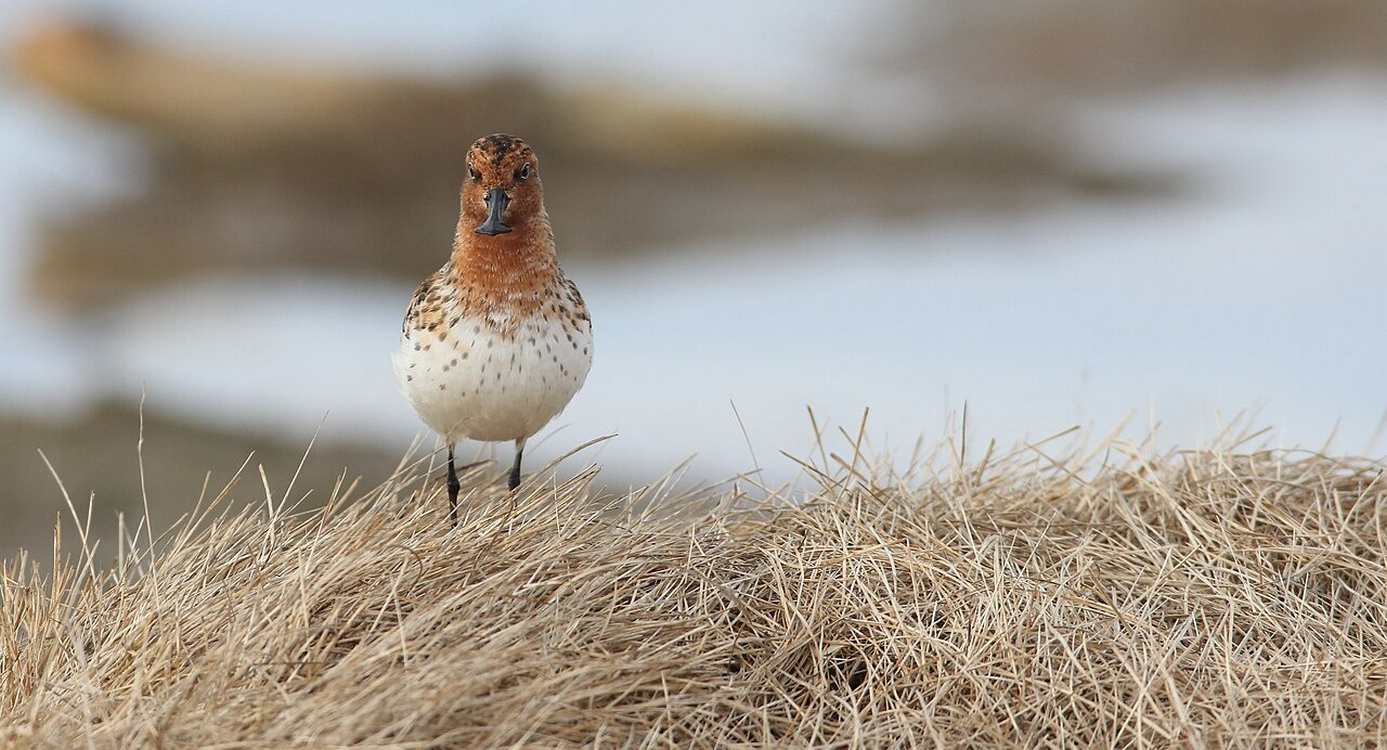
Among these is the spoon-billed sandpiper, a migratory shorebird with a global population of less than 500, and which is considered “Critically-Endangered” by the IUCN.
It’s a story as old as the automobile: straight roads make easy plans, and woe betide anything or anyplace, whether old-growth forest or mudflat, that is located along its path.
So it was that on April 30th, in southernmost province of Guangxi, a highway plan was approved that would have severely impacted coastal mudflats that host 20,000 birds from 46 species including migratory ones.
Under Chinese law, environmental impact assessments are required before any infrastructure project. A 27-mile long stretch of highway near Xichang town would cut right across more than 50 acres of mudflats and coastal mangroves, where a survey recently identified 14 spoon-billed sandpipers.
The number qualifies the area to be of international importance under China’s commitment to the Ramsar Convention on the protection of ecologically significant wetlands. Aside from international law, the sandpiper is also rarer than virtually any other animal in the country, and already guaranteed the highest national protections.
Li Jiahe came to learn about the sandpiper and the highway which threatened it while he was at university in the Netherlands. Online outcries reached Mr. Li at school, and loving all animal species, he quickly took action for the first time in his life to try and save what the Chinese English-language outlet Sixth Tone described as “a handful of birds he has never seen in a place he has never visited.”
“We’re all ordinary people. We are small. But if we can raise awareness and plant a seed in people’s minds, that’s already a good thing,” Li told the outlet.
He skipped the grassroots campaigning and went straight to the top: emailing the Ramsar Convention authorities at the UN and explaining the situation.
According to the planning documents for the highway, the builders believed the road to be exempt from requirements under China’s wildlife protection laws on two grounds: the road was a nationally-important infrastructure project, and the local building environment was constrained by the sea to the south and the presence of roads and other property further inland.
Other activists in Guangxi noted their concern and objection to the environmental authorities whose numbers were listed on the planning documents, while Bird Life International were contacted and referred the matter to the Chinese chapter.
BIRDS SAVED FROM DEVELOPMENT: Citizen Scientists’ Makeshift ‘Coffee Filter Arks’ Help Prevent These Sparrows Chicks from Drowning
Spoon-billed sandpipers rely “faithfully” on familiar patches of wetland for resting, overwintering, and feeding, and will return over and over to the same places, making their removal an extreme disruption to the pattern of this animal that will travel from as far north as Siberia to as far south as Thailand.
Sixth Tone reports that correspondences between the international groups with Li and with another local activist and birdwatcher named Mr. Liu stopped in early May, just a few days after permission for the build was approved. It seemed like the battle to protect the “Little Spoon,” as a Chinese social media campaign had come to call the sandpiper, had been lost.
But that changed on May 9th when a central environmental inspection team—a sort of nomadic authority who rotate around the country enforcing environmental regulations and accepting public comment—happened to arrive in Guangxi for a monthlong review. They got more than an earful about the highway.
According to a May 25th statement by Guangxi authorities, an environmental investigation was conducted in the nearby city and highway terminus of Beihai, and it was determined the original environmental impact assessment lacked “scientific basis.”
The project was suspended. The local government has since pledged to evaluate alternative routes and consider public concerns, overall regarding the birdlife.
ALSO CHECK OUT: Facing Desertification, Man’s Campaign Draws 30,000 Volunteers to Plant 1 Million Trees in his County
Mr. Liu said that the online contingent of the save the little spoon campaign can be extreme in their proposals, adding that he tries to encourage people to see things from the perspective of the nearby villagers, for whom a fast and direct route to the big city would have significant utility.
Others told Sixth Tone that there are definitely alternative routes that will improve local mobility and project wildlife.
Wherever the road eventually does lead, those “birds never seen from a place never visited” are safe to continue feeding and migrating along Guangxi as they have done for thousands of years.
BluAZ.com curates positive and solution-focused stories from trusted sources around the world.


 Why this story matters: In an era where the digital landscape is often flooded with polarizing and negative headlines, stories like this se...
 Why this story matters: We live in a time that often emphasizes our differences, but stories of community and collaboration remind us of ou...
 Mexico Bans Captive Marine Mammals in Entertainment In a groundbreaking move, Mexico’s Congress unanimously approved a reform to the General...
 Why this story matters: The intersection of technology and environmental stewardship is producing some of the most exciting news of our gen...
 Why this story matters: While it is easy to become cynical in an age of instant, often negative information, stories like this prove that t...
 Why this story matters: Not every step forward requires a loud announcement. This story highlights the kind of steady, under-the-radar prog...
 Why this story matters: We live in a time that often emphasizes our differences, but stories of community and collaboration remind us of ou...


Please be good and do not spam. Thank you.