
Why this story matters: Positive change rarely happens with the strike of a clock; it is usually the result of tireless dedication. This story captures the essence of that journey, showing how persistent effort eventually leads to a breakthrough worth celebrating.
Quick summary: This story highlights recent developments related to cursive, showing how constructive action can lead to meaningful results.
For the tech-savvy youth of today, reading and writing cursive is a skill viewed as almost entirely obsolete.
Save for handwritten name cards adorning a wedding reception table, most don’t see the loss of cursive curriculum as a major deficit, though studies suggest it can improve cognitive development and fine motor skills.
But being able to read cursive could be the difference between remembering and forgetting the stories of the past.
A group of AmeriCorps volunteers at Bowling Green State University has taken up the mantle of deciphering cursive handwriting in old documents. Volunteers gather to translate handwritten cursive into typed text to preserve women’s history.
They call it “Cursive for a Cause.”
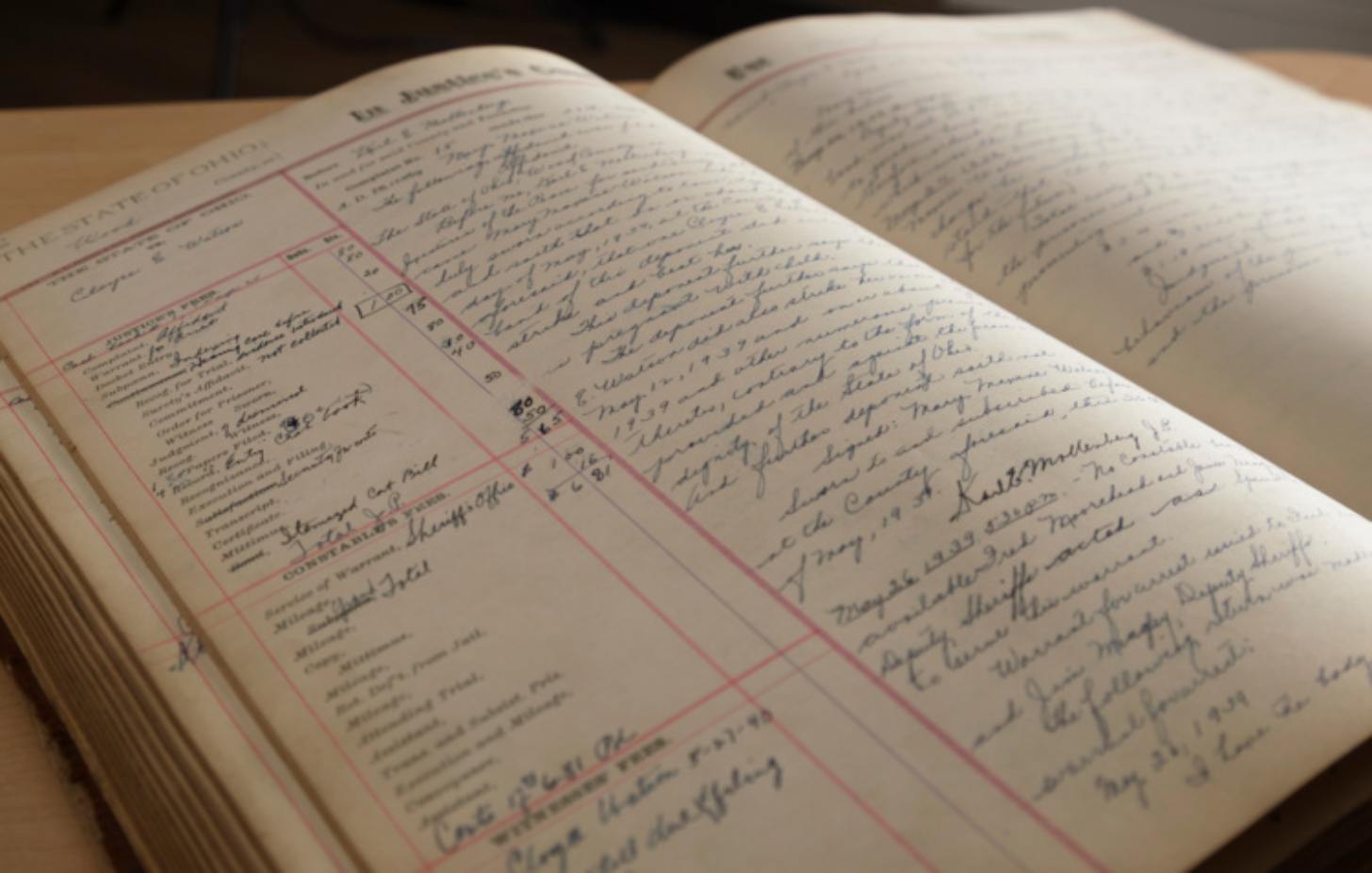
The documents are often written by women, and are letters, diaries, and journals that live in the university’s archives. Some are heartfelt correspondence between mothers and their children. Others might be recipes or financial documents.
All of them are worthy of remembrance, volunteers believe.
“That’s another aspect of history that shouldn’t be forgotten,” Cecilia Seibert of AmeriCorps told BG Independent News.
Many who work in these fields can read cursive with relative ease, but here, their efforts are focused on both the past and the future, ensuring historians will be able to understand archives in the future.
“I think it’s important to digitize these things to make them accessible to everyone,” Rob Snyder, a volunteer told BG Independent News.
It’s not always easy; some cursive is messy and lacks punctuation. But with laptops in hand — and reading glasses at the ready — volunteers are up to the task, one that seems small but plays a real role in preserving history.
“Many historical documents exist only in handwritten form, which limits their discoverability and use online. Many researchers find cursive to be challenging to read,” a summary of the event held at the university explained.
“By creating transcripts, volunteers help turn these materials into searchable digital resources that support accessibility, public history, and community research.”
A version of this article was originally published in The 2026 Storytelling Edition of the Goodnewspaper.
You may also like: Built with books found in the rubble, these two men have opened Gaza's first new library
Header image by Pixabay via Pexels
BluAZ.com curates positive and solution-focused stories from trusted sources around the world.


 Why this story matters: In an era where the digital landscape is often flooded with polarizing and negative headlines, stories like this se...
 Why this story matters: We live in a time that often emphasizes our differences, but stories of community and collaboration remind us of ou...
 Mexico Bans Captive Marine Mammals in Entertainment In a groundbreaking move, Mexico’s Congress unanimously approved a reform to the General...
 Why this story matters: The intersection of technology and environmental stewardship is producing some of the most exciting news of our gen...
 Why this story matters: While it is easy to become cynical in an age of instant, often negative information, stories like this prove that t...
 Why this story matters: Not every step forward requires a loud announcement. This story highlights the kind of steady, under-the-radar prog...
 Why this story matters: We live in a time that often emphasizes our differences, but stories of community and collaboration remind us of ou...


Please be good and do not spam. Thank you.