
Why this story matters: This story offers a refreshing look at how practical solutions and human effort can create real, positive change.
Quick summary: This story highlights recent developments related to illegal wildlife trafficking, showing how constructive action can lead to meaningful results.

Integrating Biodiversity Protection Across Species, Landscapes, and Communities
Wildlife trafficking remains one of the world’s most pervasive forms of transnational organized crime. It fuels corruption, destabilizes communities, threatens public health, and accelerates biodiversity loss. While animals are often the visible victims of this market, plants — particularly medicinal and aromatic plants — face similar and often overlooked pressures: overharvesting, habitat degradation, and illegal trade.
The theme of World Wildlife Day 2026, “Medicinal and aromatic plants: conserving health, heritage and livelihoods,” reminds policymakers that protecting nature means protecting the biological foundations of our health systems, cultural traditions, and local economies. The threats facing plants and animals are interconnected, and addressing them requires integrated action.
The Jane Goodall Institute (JGI) offers a field-tested, community-centered model of intervention that can support national and international strategies to combat wildlife trafficking across all species.
Would you like to read more good news about Illegal Wildlife Trafficking, Trafficking, Wildlife Trafficking, Wildlife, Wildlife Crime, and Wildlife Conservation?
A Shared Vision for Integrated Biodiversity Protection
For more than 45 years, JGI has applied an Animals–People–Environment (APE) model recognizing biodiversity protection as a socio-ecological challenge. Effective policy must address the links between wildlife crime, poverty, and weak governance; integrate human development, environmental stewardship, and species protection; and support communities relying on both wildlife and plant resources.


From Legislation to Implementation: Strengthening Capacity on the Ground
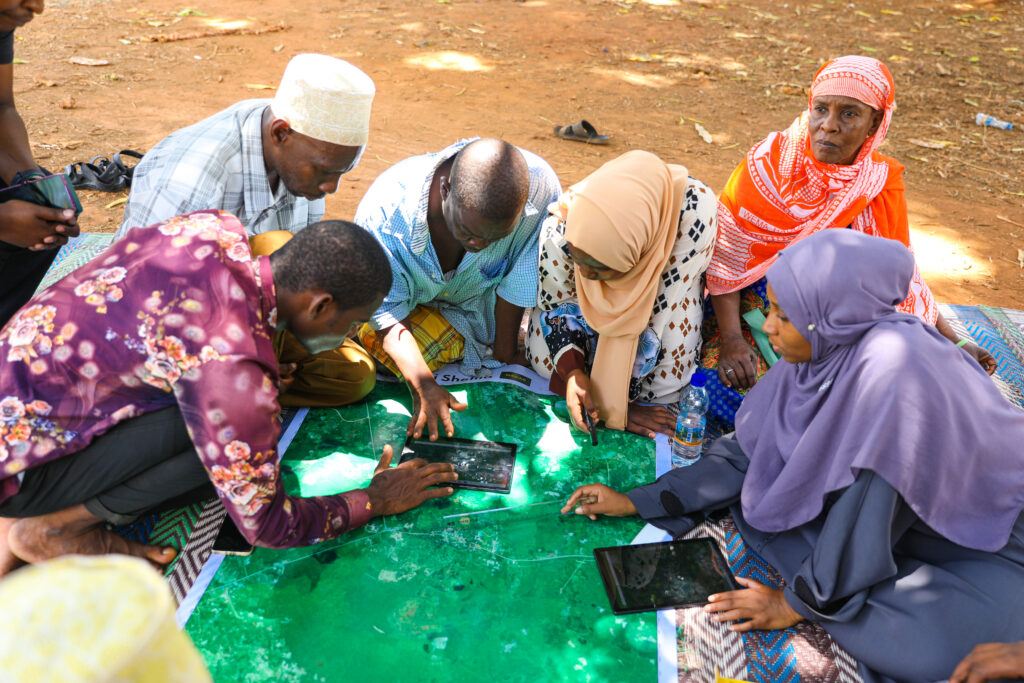
Legislation is essential but must be matched with enforcement and community engagement. Since 1991, JGI’s three-pillar approach—community education, ranger training, and collaboration with authorities—offers a blueprint for closing the gap between legal frameworks and real-world outcomes.
Leveraging Science and Technology for Policy Impact
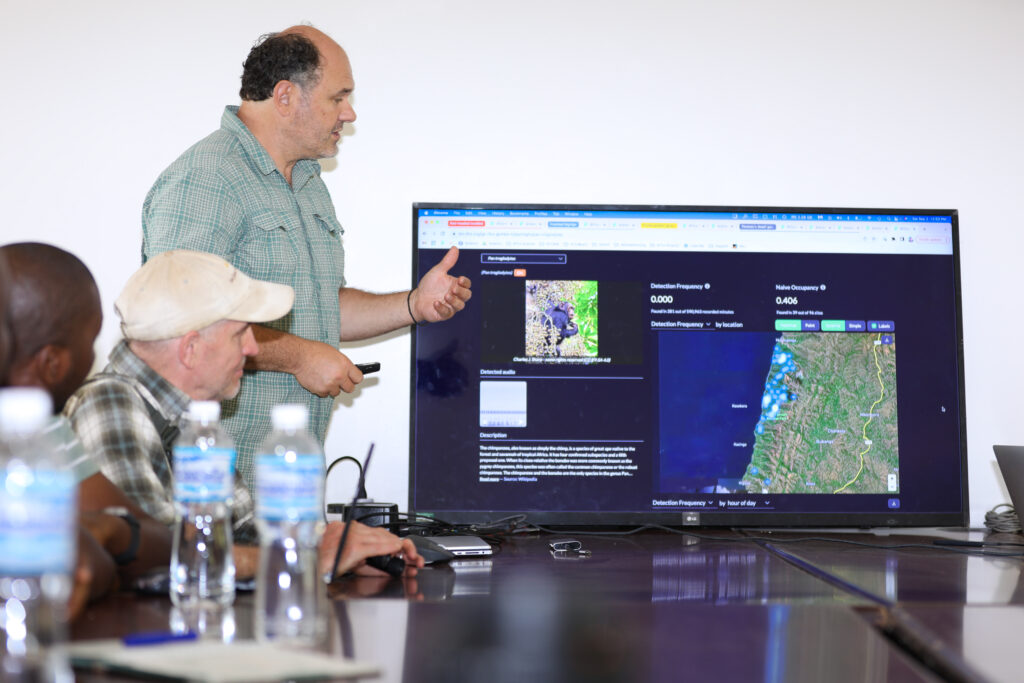
JGI uses remote sensing, habitat mapping, and data-driven planning to detect deforestation, identify trafficking hotspots, and support enforcement. These tools can be integrated into national biodiversity strategies, CITES plans, and regional enforcement networks.
Partnerships as a Multiplier of Policy Effectiveness
JGI collaborates with IUCN, GRASP, PASA, the Global Initiative to End Wildlife Crime, and law-enforcement agencies. Such alliances harmonize legal frameworks, strengthen cross-border intelligence, and elevate community solutions.
Addressing Demand: Changing Behaviors and Markets
Demand fuels the illegal trade. The trafficking of wildlife and medicinal plants is driven by perceptions of rarity, cultural beliefs, and social media trends. Policies must pair enforcement with targeted communication campaigns. JGI’s Roots & Shoots movement demonstrates how education fosters long-term cultural change.

World Wildlife Day 2026 calls for integrated protection of health, heritage, and livelihoods by safeguarding both plant and animal species from the shared threats of illegal trade, habitat loss, and ecosystem degradation.
The Jane Goodall Institute stands ready to support policies grounded in science, community empowerment, and international cooperation. Protecting biodiversity requires a unified global response—and every actor has a role to play.
Photo credits, in order of appearance: JGI/Stephano Lihedule, JGI/Fernando Turmo
GoodHeadlines.org curates positive and solution-focused stories from trusted sources around the world.


 Why this story matters: In an era where the digital landscape is often flooded with polarizing and negative headlines, stories like this se...
 Mexico Bans Captive Marine Mammals in Entertainment In a groundbreaking move, Mexico’s Congress unanimously approved a reform to the General...
 Why this story matters: Innovation isn't just about the latest gadget; it's about making life better for everyone. This story highl...
 Why this story matters: Behind the high-level statistics and political debates, there are real people making a real difference. This articl...
 Why this story matters: We live in a time that often emphasizes our differences, but stories of community and collaboration remind us of ou...
 Why this story matters: In a world where it is easy to feel overwhelmed by the scale of our problems, stories of localized innovation and c...
 Why this story matters: In this week’s highlight of positive developments, we look at a story that reminds us that progress is a choice we ...


Please be good and do not spam. Thank you.