
Why this story matters: While we must remain clear-eyed about the challenges that remain, it is equally important to acknowledge the victories we win along the way. This story provides a much-needed balance to our daily perspective.
Quick summary: This story highlights recent developments related to science, showing how constructive action can lead to meaningful results.
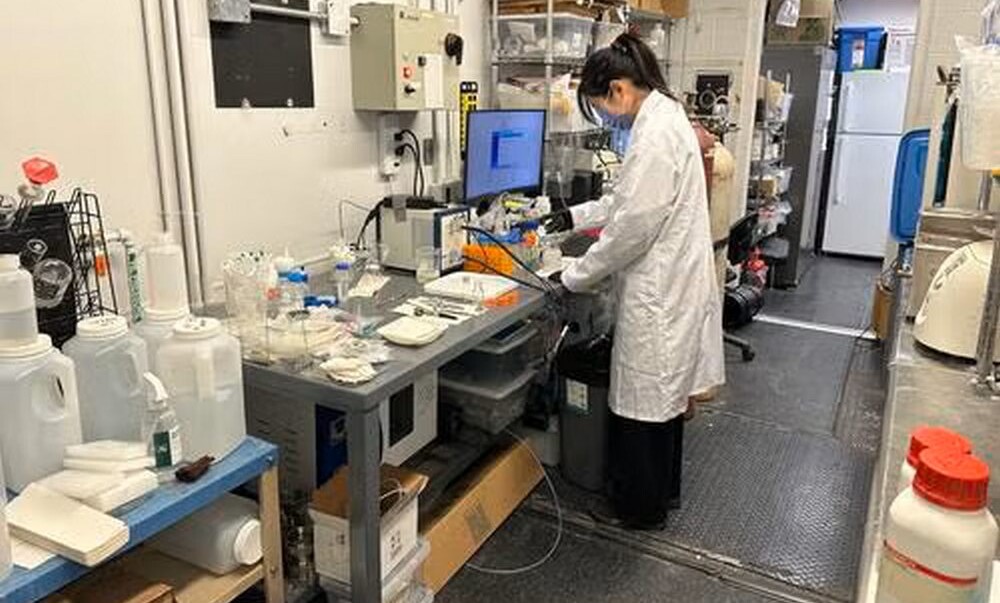
Researchers at the University of Waterloo have discovered a way to turn plastic waste into acetic acid, the main ingredient of vinegar, using sunlight.
The breakthrough offers a promising new approach to reducing plastic pollution through photocatalysis, while simultaneously creating a useful, value-added chemical product through a process inspired by nature.
“Our goal was to solve the plastic pollution challenge by converting microplastic waste into high-value products using sunlight,” said Dr. Yimin Wu, a professor of mechanical and mechatronics engineering at the University of Waterloo, Canada.
Would you like to read more good news about Science, Recycling, and Plastic?
Plastic waste, notably microplastics, has been found across many of the planet’s ecosystems, raising concerns about threats to terrestrial and marine life as well as human health. Plastic recycling rates remain low around the globe.
To tackle this problem, the team developed a bio-inspired photocatalysis process using iron atoms embedded in carbon nitride, a way that certain types of fungi break down organic matter using enzymes.
When exposed to sunlight, the material drives a series of chemical reactions that transform plastic polymers into acetic acid with high selectivity. The reaction takes place in water, making it particularly relevant for addressing plastic pollution in aquatic environments.
Acetic acid is widely used in food production, chemical manufacturing and energy applications. The study shows it can be produced from common plastic wastes, including PVC, PP, PE and PET, and remains effective across mixed plastic compositions.
This makes the approach well suited to real-world waste streams, offering a promising alternative to plastic incineration, and could support more circular approaches to material use while providing a new strategy for upcycling plastics.
FEWER PLASTICS IN THE OCEANS: Analysis Shows We’ve Been Overestimating the Amount of Plastic in Oceans by 30x
“Both from a business and societal perspective, the financial and economic benefits associated with this innovation seem promising,” said Roy Brouwer, executive director of the Water Institute and a coauthor of the article supporting the techno-economic analysis.
“This method allows abundant and free solar energy to break down plastic pollution without adding extra carbon dioxide to the atmosphere,” Wu adds.
TACKLING THE PLASTIC PROBLEM: Nonprofit Diverts an Ocean Plastic Tide, Removing 2 Million Pounds of Trash From Waterways
The findings also point to new possibilities for addressing microplastics directly. Because the process degrades plastics at the chemical level, it could help prevent the accumulation of microplastics in water systems.
While still at the laboratory stage, the team envisions that this approach could be adapted for scalable, solar-driven recycling and environmental cleanup and the photocatalytic upcycling system can be further enhanced through strategic engineering of the materials and manufacturing processes.
GoodHeadlines.org curates positive and solution-focused stories from trusted sources around the world.


 The Nationwide Movement Turning Guns Into Garden Tools T he first time Mike Martin held an AK-47 was after the 2012 shooting at Sandy Hook E...
 Why this story matters: This uplifting update reminds us that even in the face of significant obstacles, the human spirit remains resilient...
 Why this story matters: Innovation isn't just about the latest gadget; it's about making life better for everyone. This story highl...
 Mexico Bans Captive Marine Mammals in Entertainment In a groundbreaking move, Mexico’s Congress unanimously approved a reform to the General...
 Why this story matters: While it is easy to become cynical in an age of instant, often negative information, stories like this prove that t...
 The Spark: How to Keep Your Community Cool During Heat Waves Welcome back to The Spark, our monthly newsletter that’s all about how people j...
 These Chefs Left Prestigious Culinary Jobs To Cook At Nursing Homes: 'We Want To Make This Industry Better' Facing burnout from his ...


Please be good and do not spam. Thank you.