
Why this story matters: In a time when pessimism is easy, this story provides a grounded reason for optimism.
Quick summary: This story highlights recent developments related to animals, showing how constructive action can lead to meaningful results.
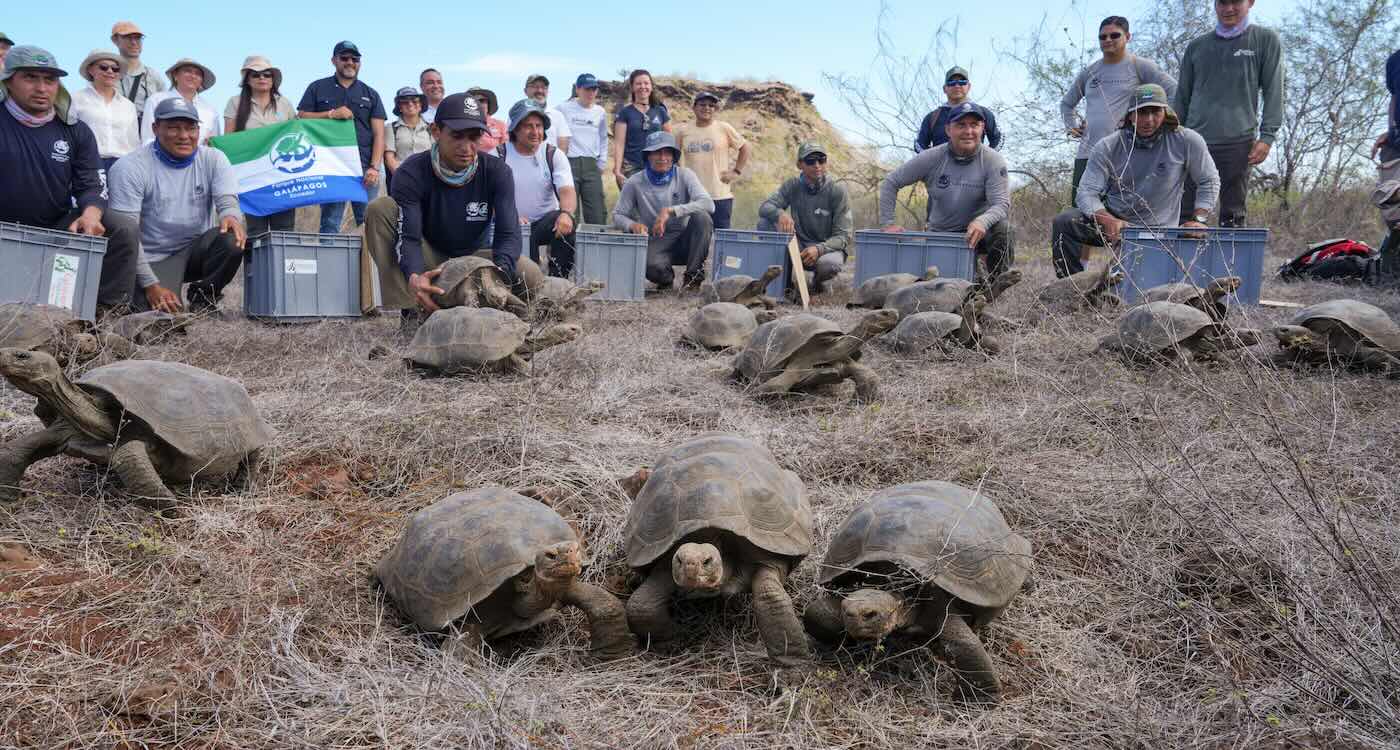
For the first time in over 180 years, a giant tortoise population is once again walking the landscapes of Floreana Island—launching the largest restoration effort ever undertaken on the Galápagos islands.
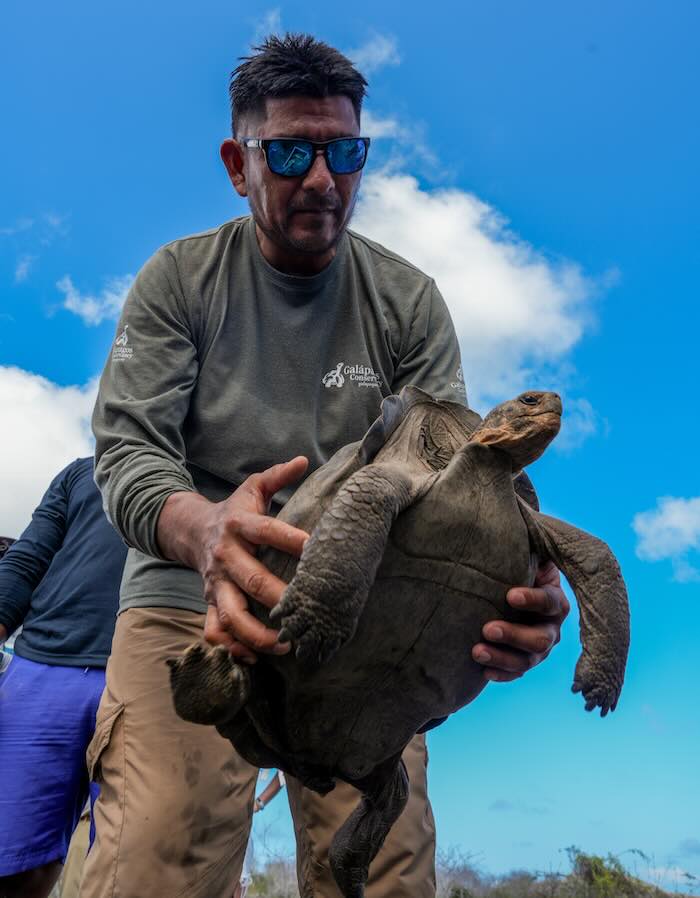
158 juvenile giant tortoises of Floreana lineage were released his week into their ancestral habitat, marking a historic milestone for the archipelago.
Driven to extinction in the mid-1800s, the Floreana giant tortoise (Chelonoidis niger niger) had been absent from the island for generations. Its return signals the beginning of a new phase of rewilding under the Floreana Ecological Restoration Project.
Would you like to read more good news about Animals, Reptiles, Biodiversity, Ecuador, Endangered Species, and Islands?
“The Project represents one of the greatest challenges undertaken by the Galápagos National Park,” said Lorena Sánchez, the park’s director.
“After years of sustained, science-based work—requiring rigorous studies and patience—the return of the giant tortoises reflects a long-term restoration vision focused on restoring the ecological functionality of Floreana’s ecosystems.”
The Floreana community of approximately 160 residents has been deeply involved in achieving this milestone, from participating in planning workshops to supporting long-term ecological monitoring.
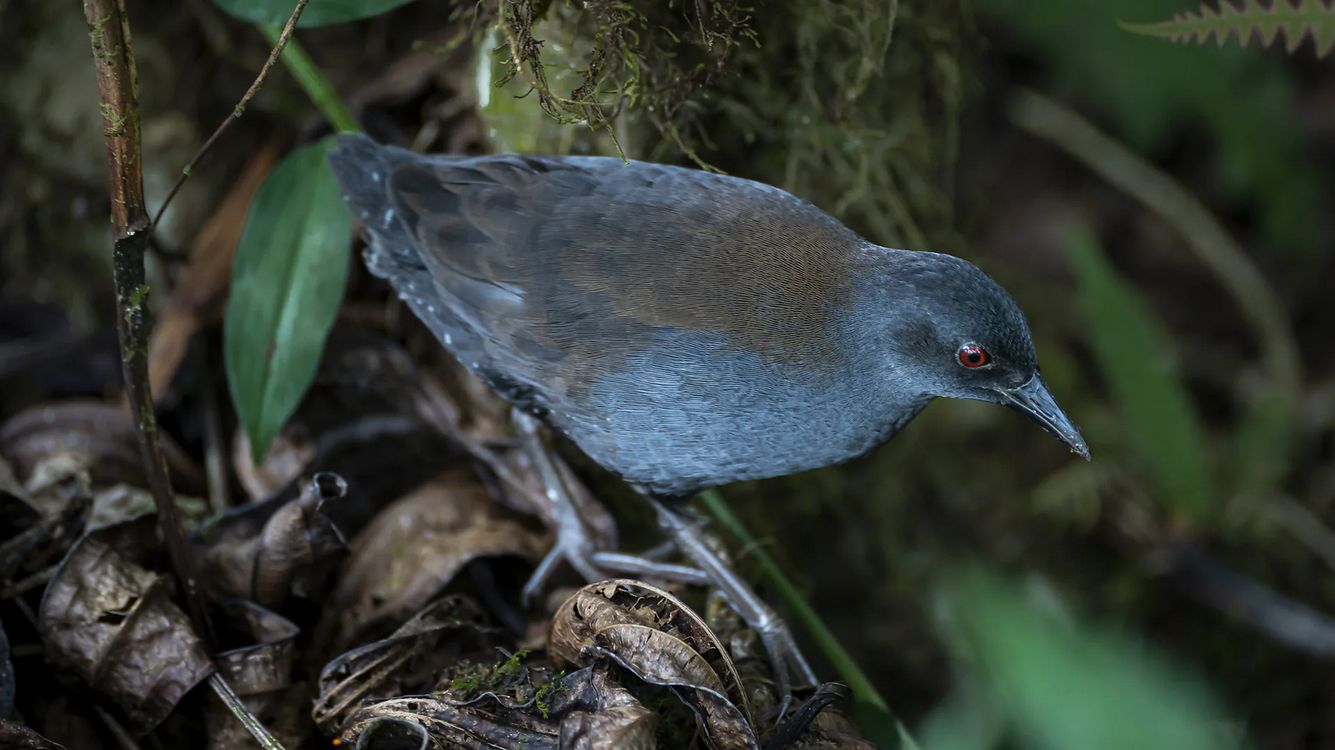
Community engagement has already contributed to notable conservation successes, including the rediscovery of the Galápagos Rail, a rare bird that had not been recorded on the island since Charles Darwin’s first visit to Galápagos.
“For generations, Floreana existed without its giant tortoises,” said Verónica Mora, the community’s representative. “Their return shows what is possible when a community leads and many partners come together with a shared purpose. Our livelihoods, from tourism to agriculture and fishing, depend on the health of this island.”
Bringing back a lost lineage
The tortoises released this week are the result of decades of genetic scientific research led by the Galápagos National Park Directorate.
Genetic studies conducted in the early 2000s revealed that some tortoises living on Wolf Volcano, to the North of Isabela Island, carried ancestry from Floreana—the last living descendants of a lineage long believed to be lost—likely due to historical whaling practices that involved offloading animals before long sea voyages.
Through a carefully managed breeding program, these individuals were raised to form a population that is genetically as close as possible to the original Floreana giant tortoise.
“By identifying tortoises on Wolf Volcano with Floreana ancestry and breeding their descendants, we are returning this species to its island in a form that closely reflects the original lineage—laying a critical scientific foundation for the restoration of Floreana’s ecosystems and the future reintroduction of additional native species,” said Hugo Mogollón, President of Galápagos Conservancy.
From species return comes ecosystem recovery
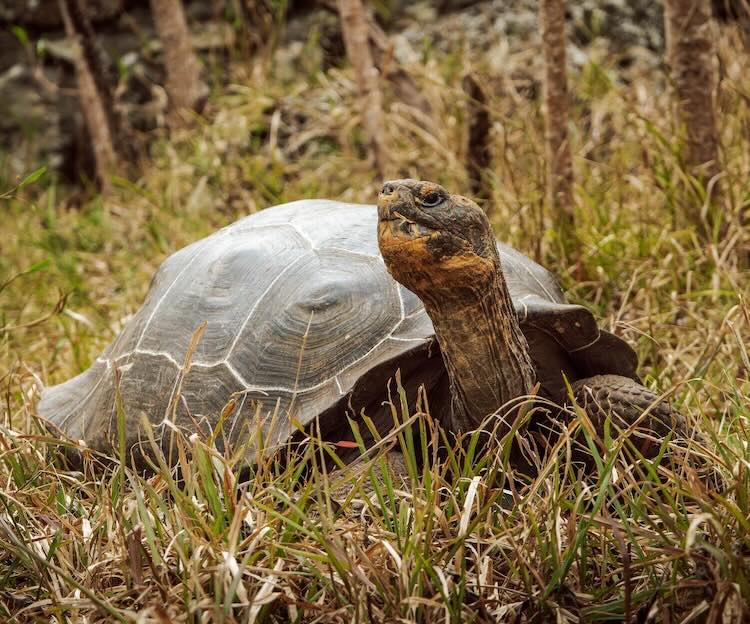
As keystone species, tortoises help maintain open habitats, promote native plant growth, and create conditions that allow entire ecosystems to function. Their absence on Floreana altered ecological processes for nearly two centuries. Their return is expected to help restore those processes naturally and drive natural regeneration processes that support a wide range of native plants and animals.
MORE GALAPAGOS GOOD NEWS:
• Baby Galápagos Pink Iguanas Seen for the First Time Ever—So Much Hope For Scientists
• Philadelphia Zoo’s 100-Year-old Galapagos Tortoises Hatch 4 Babies–to Help Ensure the Species’ Survival
“Habitats are the foundation for biodiversity—the home that allows species to move, live, and evolve naturally over time,” said Rakan Zahawi, Director of the Charles Darwin Foundation.
“Giant tortoises are a critical part of this system. By dispersing seeds, shaping vegetation, creating micro-habitats such as their well-known wallows, and influencing how landscapes regenerate, they help rebuild ecological processes that many other species depend on.”
Now, project partners will continue to evaluate conditions for the next phase of rewilding, which includes iconic species such as the Floreana Mockingbird, Floreana racer snake, Vegetarian Finch, and the Little Vermilion Flycatcher.
The return of the tortoises is also expected to strengthen Floreana’s land–sea connections.
By dispersing seeds and opening habitats, tortoises help improve nesting and feeding conditions for birds, including species slated for future reintroduction. Healthy seabird populations, in turn, contribute nutrients that support surrounding marine ecosystems, including coral reefs and fisheries.
A global example providing hope for the future
Reaching this moment has taken more than 15 years of dedicated work—and once fully restored, Floreana will stand as the largest ecological restoration project ever undertaken in the Galápagos, a global example of how restoring nature can go hand in hand with strengthening local livelihoods.
MORE ICONIC ISLAND NEWS:
• We Finally Rid An Island of 300,000 Rats – Now Everything is Blooming
• 15 Giant Tortoises Returned to Their Galapagos Home After Saving Their Species With 1,900 Babies
The Floreana Ecological Restoration Project is led by Ecuador’s Ministry of Environment and Mines through the Galápagos National Park Directorate (GNPD), and executed by the Charles Darwin Foundation, and Island Conservation, and Fundación Jocotoco, with support from the Galápagos Conservancy on the giant tortoise reintroduction.
“This decade of collaborative work now yields a result that couldn’t be possible without all of the partners working together. We restore islands so native species and human communities can thrive together,” said Dr. Penny Becker, CEO of Island Conservation.
“Seeing tortoises walk freely on Floreana once again after more than 180 years shows what’s possible when local partners, global experts, and the community share a vision for recovery.”
RELEASE THIS ON YOUR ISLAND By Sharing the Great News on Social Media…
GoodHeadlines.org curates positive and solution-focused stories from trusted sources around the world.


 The Nationwide Movement Turning Guns Into Garden Tools T he first time Mike Martin held an AK-47 was after the 2012 shooting at Sandy Hook E...
 Why this story matters: This uplifting update reminds us that even in the face of significant obstacles, the human spirit remains resilient...
 The Spark: How to Keep Your Community Cool During Heat Waves Welcome back to The Spark, our monthly newsletter that’s all about how people j...
 Mexico Bans Captive Marine Mammals in Entertainment In a groundbreaking move, Mexico’s Congress unanimously approved a reform to the General...
 Why this story matters: Innovation isn't just about the latest gadget; it's about making life better for everyone. This story highl...
 Why this story matters: This story offers a refreshing and deeply necessary look at how practical problem-solving and human ingenuity can i...
 These Chefs Left Prestigious Culinary Jobs To Cook At Nursing Homes: 'We Want To Make This Industry Better' Facing burnout from his ...


Please be good and do not spam. Thank you.
Finally a GOOD bit of news!