
Why this story matters: Behind the headlines, stories like this show how real-world solutions are taking shape.
Quick summary: This story highlights recent developments related to health, showing how constructive action can lead to meaningful results.
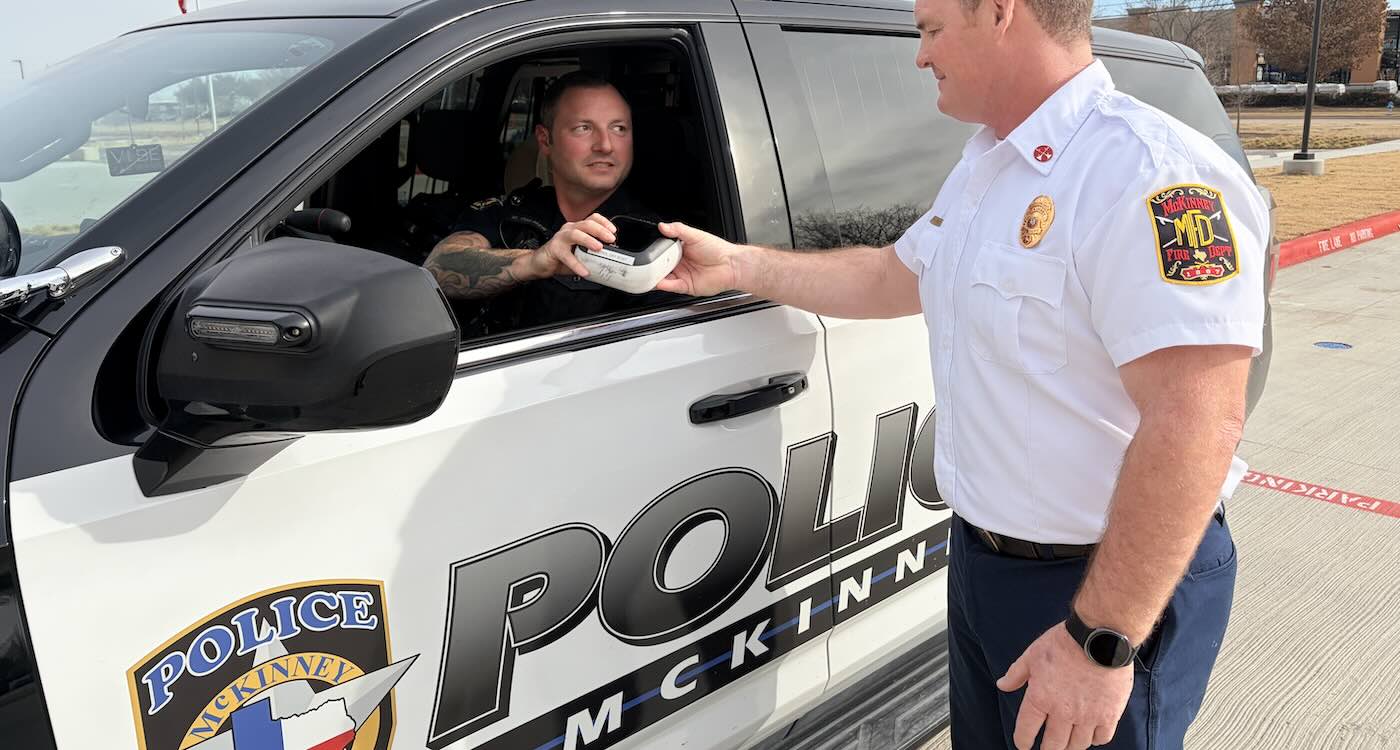
Over the past two years, the city of McKinney, Texas, has significantly improved cardiac arrest survival rates through a coordinated effort between its fire and police departments—and, now, its citizens.
Two years ago, if your heart stopped in McKinney, your chances of surviving were just 10 percent, the same as many U.S. cities. Today, that survival rate has skyrocketed to 47 percent—thanks to an unprecedented partnership between the McKinney Fire Department and McKinney Police Department.
Officials say the program is modeled in part after practices used in Seattle and, so far, McKinney’s success rate has risen way above the national average of 30 percent, and closing in on Seattle’s leading survival rate of 50%.
Would you like to read more good news about Health, Heart, Prevention, Community, Cpr, and Positive Trends?
The city, 30 miles north of Dallas, is now expanding that lifesaving work to residents by placing automated external defibrillators (AEDs) directly into neighborhoods, with the goal of reducing response time citywide.
The initiative will make McKinney one of the nation’s first “4-Minute Cities” where an automated external defibrillator is never more than four minutes away from any cardiac event.
The city’s transformation began when Fire Battalion Chief Ben Jones launched the cardiac program by sending a team to train at the Resuscitation Academy in Seattle in late 2024. They returned with a plan to replicate key components of their “chain of survival”: rapid recognition, immediate CPR, fast AED access, and quick transport.
Every minute a cardiac arrest victim waits for care cuts survival by 10 percent. McKinney installed more than 80 AEDs in every patrol, traffic, and neighborhood police vehicle.
Friendly competition between fire and police teams has fueled a life-saving culture shift. In the past year, nine McKinney residents have been revived in time.
Now, McKinney will expand cardiac response by deploying 200 AEDs in a new Neighborhood Heroes campaign. Residents across the city will be enabled to serve as a first responder in the event of a cardiac emergency in their community.
AMAZING USA NEWS:
• Once Wiped Out by Blight, Thousands of American Chestnut Trees are Thriving on Biologist’s Land in Maine
• Mississippi Moved from the Bottom to the Top in Student Reading Achievement Scores
• Sixth Tiny Home Village is Ending Homelessness for Veterans Across the US: ‘This place saved me’
Some McKinney police officers were initially skeptical but became true believers after saving lives themselves.
“It’s a really interesting shift in mindset for police officers, and they bought into it,” Fire Chief Paul Dow told WFAA-TV.
“We want to have these AEDs everywhere in the community,” explained Jones, whose fire department will train eligible participants.
The American Heart Association has selected the McKinney Fire Department’s “4-Minute City” model to represent its Heart Health Month campaign this month, highlighting the city’s leadership in community-based resuscitation.
TELL YOUR CITY TO DO THE SAME–By Sharing The News on Social Media…
GoodHeadlines.org curates positive and solution-focused stories from trusted sources around the world.


 The Nationwide Movement Turning Guns Into Garden Tools T he first time Mike Martin held an AK-47 was after the 2012 shooting at Sandy Hook E...
 Why this story matters: This uplifting update reminds us that even in the face of significant obstacles, the human spirit remains resilient...
 The Spark: How to Keep Your Community Cool During Heat Waves Welcome back to The Spark, our monthly newsletter that’s all about how people j...
 Mexico Bans Captive Marine Mammals in Entertainment In a groundbreaking move, Mexico’s Congress unanimously approved a reform to the General...
 Why this story matters: Innovation isn't just about the latest gadget; it's about making life better for everyone. This story highl...
 These Chefs Left Prestigious Culinary Jobs To Cook At Nursing Homes: 'We Want To Make This Industry Better' Facing burnout from his ...
 Why this story matters: While environmental news is frequently dire, there are pioneers quietly solving the most complex problems of our ti...


Please be good and do not spam. Thank you.