
Why this story matters: Behind the headlines, stories like this show how real-world solutions are taking shape.
Quick summary: This story highlights recent developments related to study, showing how constructive action can lead to meaningful results.
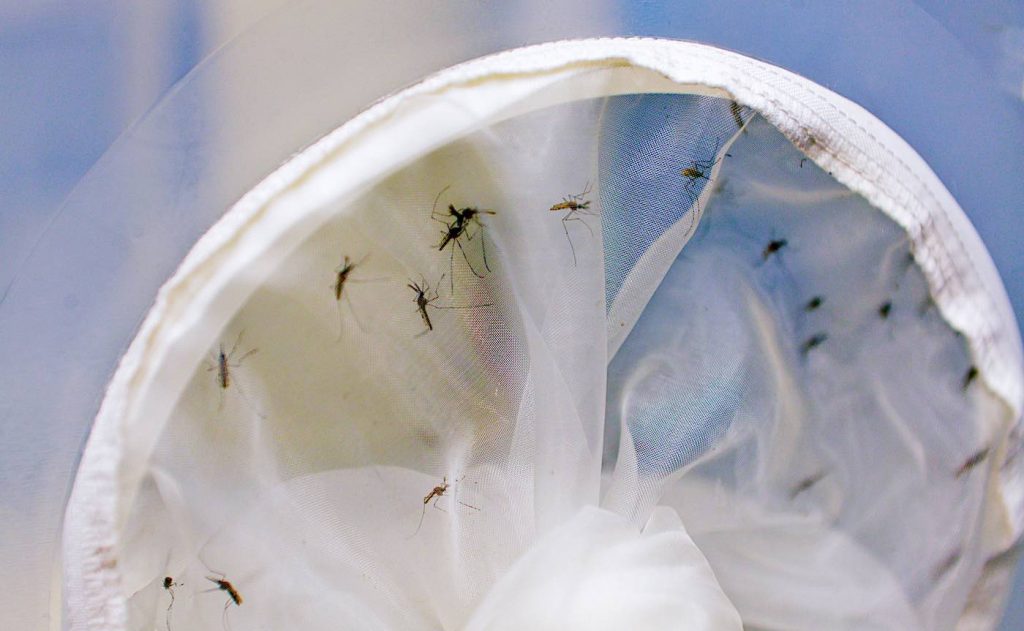
A gold-standard scientific trial revealed an existing mosquito control method works not only to reduce insect numbers, but also the diagnoses of dengue fever in the area.
Dengue, also known as “breakbone” fever, is a severe viral infection spread by mosquitoes that can be debilitating when caught, and lethal if caught again.
In Singapore, populations of Aedes egypti, or the Nile mosquito, are controlled by releasing captive-bred male mosquitoes carrying a kind of bacteria called Wolbachia, found on many insect genera.
Would you like to read more good news about Study, Singapore, Disease, Insects, Success, and Science?
The Wolbachia in this case have been modified to make any eggs born via breeding with the infected mosquitoes sterile, a technique known as Wolbachia-mediated incompatible insect technique–sterile insect technique (IIT-SIT) according to Medical X Press.
Even though IIT-SIT is practiced in different parts of the world, there has never been a randomized-controlled trial done on its effectiveness at controlling or reducing the transmission of mosquito-born diseases.
Faculty at the Environmental Health Institute in Singapore’s National Environment Agency, along with a few collaborators, selected 15 densely-populated areas of the city-state and randomly divided them into groups that would receive a transplanted swarm of IIT-SIT male mosquitoes, and others that would receive none.
MOSQUITO CONTROL: ‘Cheaper, More Humane’ Drones Emerge as Key Weapon in Mosquito Control from Poland to Africa
The scientists didn’t know which areas saw the mosquito release when they began to use traps to catch and estimate insect population, and national health statistics to observe the number of dengue fever cases for 20 months.
By study’s end in 2024, the amount of mosquitoes recorded inside the traps set in wards where Wolbachia-infected males were released plummeted 77%. Of residents who tested positive for dengue fever, 21% were recorded in the control areas, while just 6% were found in the study areas—a transmission reduction of around 71%.
SANITARY CITIES: Flint Finishes Replacing 11,000 Lead Pipes, Concluding Activists’ Decade-Long Effort to Secure Clean Water
The study is the first, scientifically-robust evidence that IIT-SIT with Wolbachia is effective at controlling both dengue and the mosquitoes that spread it; invaluable as the world is living through a sort of dengue explosion.
GoodHeadlines.org curates positive and solution-focused stories from trusted sources around the world.


 The Nationwide Movement Turning Guns Into Garden Tools T he first time Mike Martin held an AK-47 was after the 2012 shooting at Sandy Hook E...
 Why this story matters: This uplifting update reminds us that even in the face of significant obstacles, the human spirit remains resilient...
 The Spark: How to Keep Your Community Cool During Heat Waves Welcome back to The Spark, our monthly newsletter that’s all about how people j...
 Mexico Bans Captive Marine Mammals in Entertainment In a groundbreaking move, Mexico’s Congress unanimously approved a reform to the General...
 Why this story matters: Innovation isn't just about the latest gadget; it's about making life better for everyone. This story highl...
 Why this story matters: This story offers a refreshing and deeply necessary look at how practical problem-solving and human ingenuity can i...
 These Chefs Left Prestigious Culinary Jobs To Cook At Nursing Homes: 'We Want To Make This Industry Better' Facing burnout from his ...


Please be good and do not spam. Thank you.