
Why this story matters: In a time when pessimism is easy, this story provides a grounded reason for optimism.
Quick summary: This story highlights recent developments related to outpaces, showing how constructive action can lead to meaningful results.
Fifteen years ago, celebrated Australian ecologist Robert May posed a fantastical question to the scientific community.
“If some alien version of the Starship Enterprise visited Earth, what might be the visitors’ first question?” May wrote in an issue of Science. “I think it would be: ‘How many distinct life forms — species — does your planet have?’”
“Embarrassingly,” he continued, “our best guess answer would be in the range of 5 to 10 million eukaryotes (never mind the viruses and bacteria), but we could defend numbers exceeding 100 million, or as low as 3 million.”
Would you like to read more good news about Outpaces, Far, Extinctions, Discovered, Experts, and Every?
It’s a passage that John Wiens, a professor in the University of Arizona Department of Ecology and Evolutionary Biology, returned to when he explored the rate of species discovery in a new paper.
“Right now, we know of about 2.5 million species, but the true number may be in the tens or hundreds of millions or even the low billions,” Wiens told the University of Arizona.
“Some scientists have suggested that the pace of new species descriptions has slowed down and that this indicates that we are running out of new species to discover, but our results show the opposite,” Wiens said. “In fact, we’re finding new species at a faster rate than ever before.”
Together with his co-authors, Xin Li, Ding Yang, and Liang Wang, Wiens analyzed the taxonomic histories of roughly 2 million species.
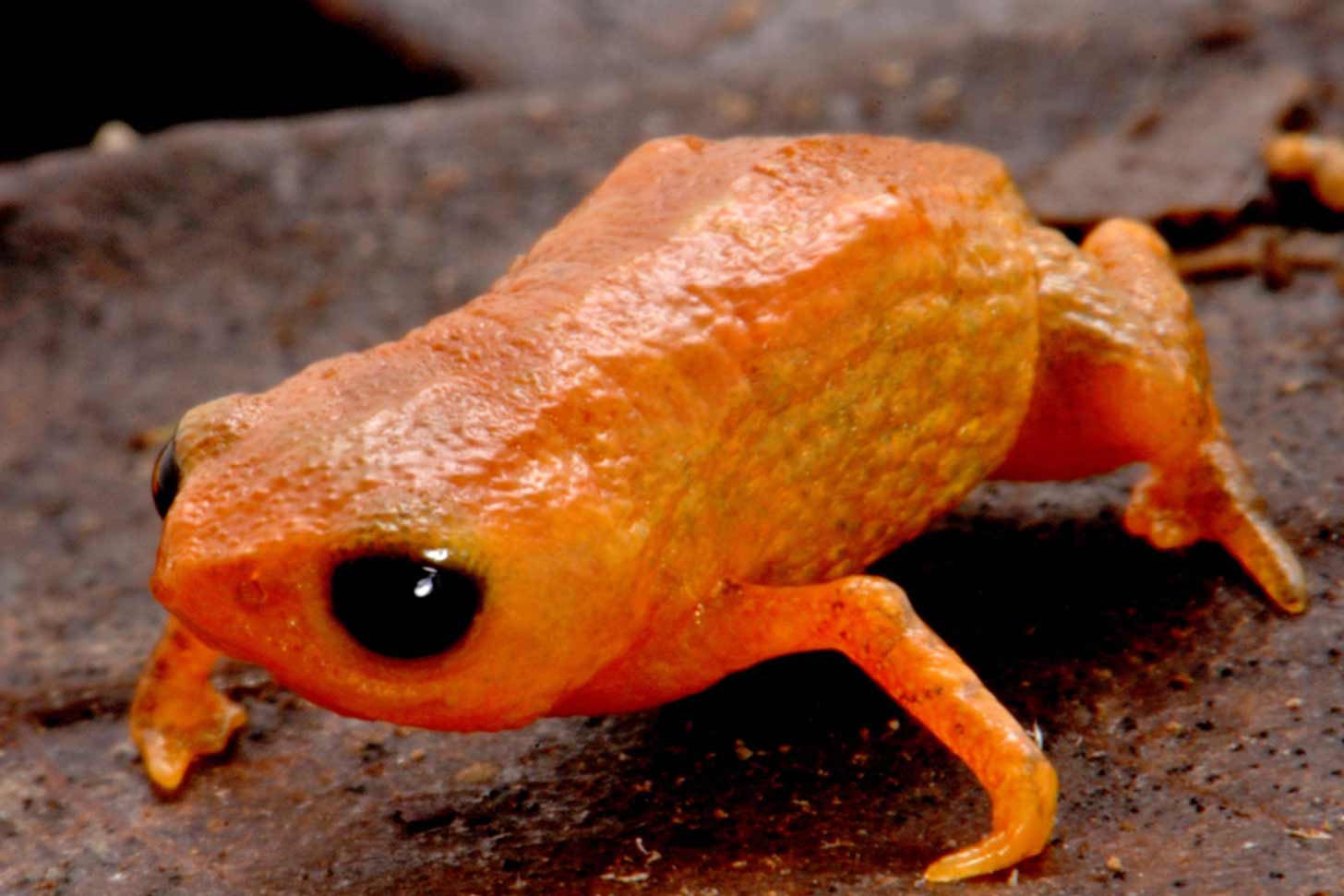
They found that — from 2015 to 2020 — researchers introduced an average of more than 16,000 new species to the taxonomic record per year.
“These thousands of newly found species each year are not just microscopic organisms, but include insects, plants, fungi, and even hundreds of new vertebrates,” Wiens explained.
In October, Wiens and his colleague Kristen Saban released a separate study on the slowing extinction rates of many plant and animal groups.
“Our good news is that this rate of new species discovery far outpaces the rate of species extinctions, which we calculated to about 10 per year,” Wiens said, in reference to the extinction study.
Wiens also emphasized that their new evidence does not mean that conservationists should abandon modern protection efforts or roll back climate change research.
In fact, he said, it means the opposite.
“Discovering new species is important because these species can’t be protected until they’re scientifically described,” Wiens said. “Documentation is the first step in conservation – we can’t safeguard a species from extinction if we don’t know it exists.”
As new species are decoded and analyzed for taxonomic records, their natural substances have also helped the medical community connect the dots on human research.
For example, spider and snake venoms, as well as many plants and fungi, contain substances that could be used to treat pain and cancer.
"We're still just scratching the surface of what these species can do for humanity," Wiens said.
You may also like: Scientists discovered thousands of new species in 2025. See 9 that wowed them, from the 'curiously isolated' butterfly to the screaming pika
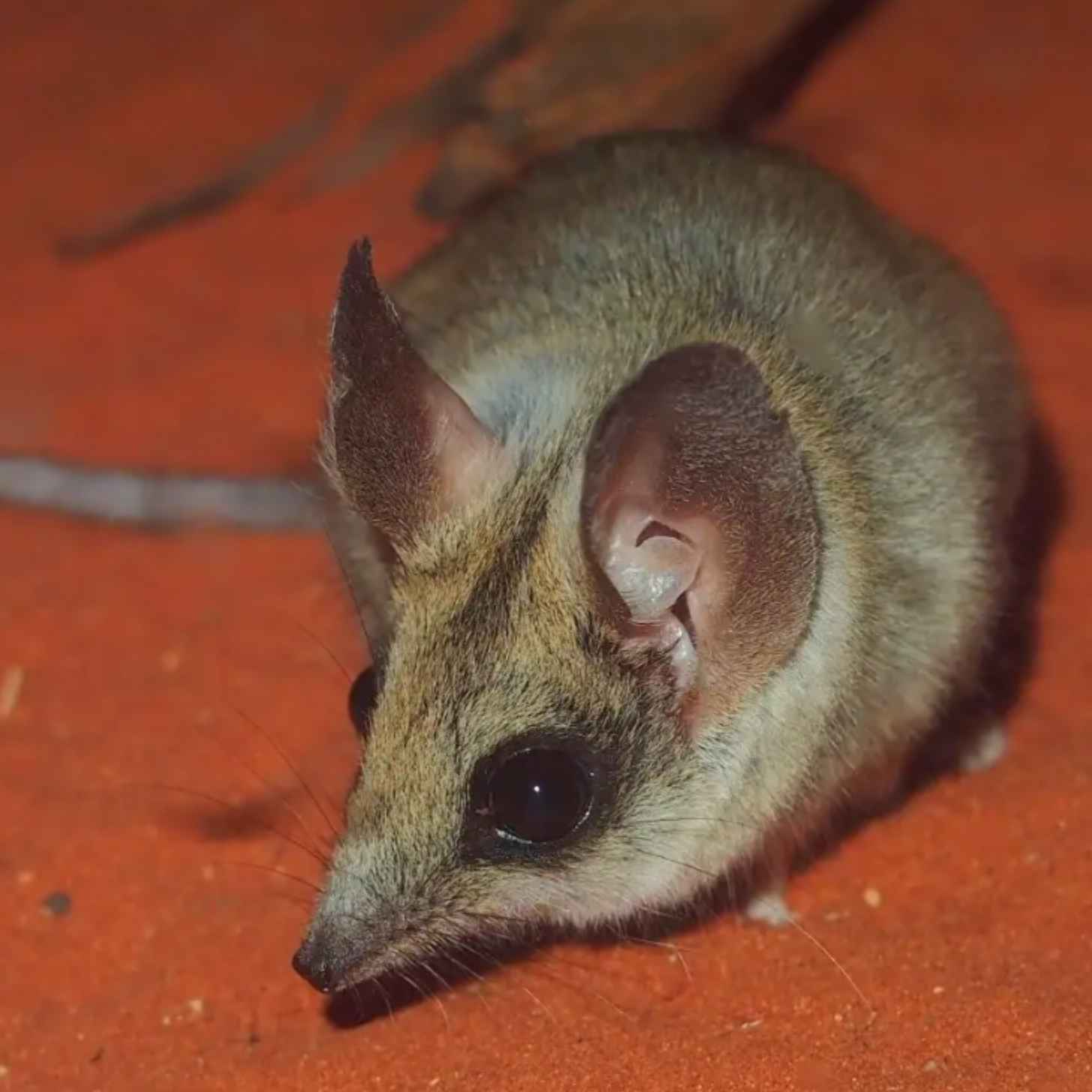
Header images: A kultarr. Image via Mark Marathon / Wikimedia Commons (CC BY-SA 3.0) The Indo-Burmese pangolin (Manis indoburmanica). Image via the Zoological Survey of India. Telescope octopus. Image via ROV SuBastian / Schmidt Ocean Institute (Attribution-NonCommercial-ShareAlike CC BY-NC-SA)
GoodHeadlines.org curates positive and solution-focused stories from trusted sources around the world.


 Why this story matters: Amidst the constant noise of the modern world, it’s essential to pause and highlight the examples of human kindness...
 Why this story matters: Rather than simply cataloging the challenges we face, this update focuses on the innovative solutions and bold idea...
 Why this story matters: Acts of kindness and professional integrity often go unrecorded, but their ripple effects are immense. This article...
 Why this story matters: Not every step forward requires a loud announcement. This story highlights the kind of steady, under-the-radar prog...
 Why this story matters: Positive change rarely happens with the strike of a clock; it is usually the result of tireless dedication. This st...
 Conservationists 'Moving On Turtle Time' Might Not Know The Impact Of Their Work For 30 Years. Still, They Press On This story was o...
 Why this story matters: Progress is often a game of inches, not miles. This detailed look at a recent success story shows exactly how small...


Please be good and do not spam. Thank you.